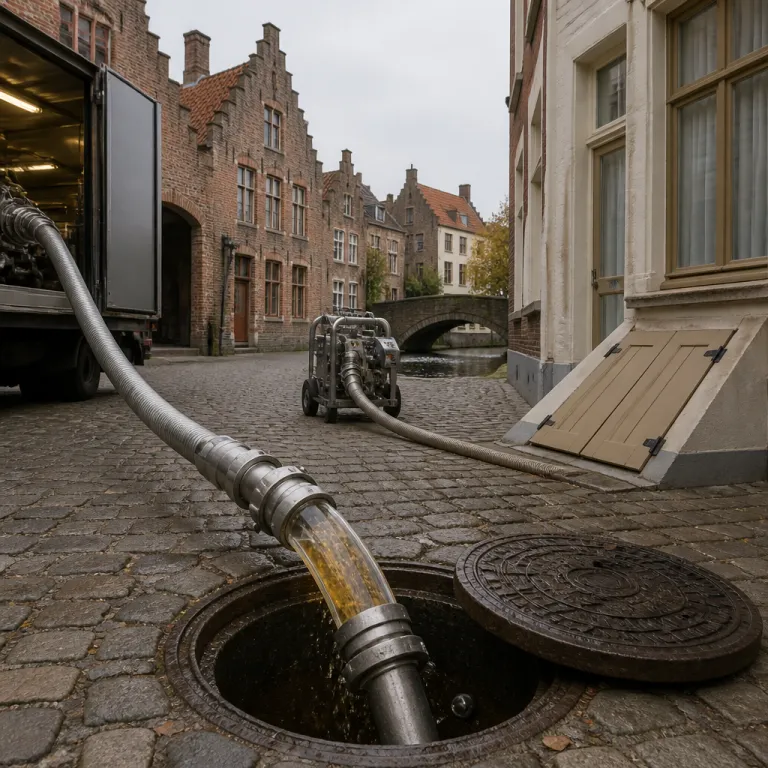
The bruges underground beer pipeline and the soul of the city
Stand in the cobbled streets of Bruges and it feels unchanged for years. Yet beneath those same streets Bruges hides a quietly radical project that reshaped how beer moves through the city centre. The bruges underground beer pipeline is not a gimmick ; it is a statement about how a living UNESCO heritage city chooses to balance brewing tradition with twenty first century pressures.
At the heart of this story sits De Halve Maan, the family run Bruges brewery that refused to abandon its historic site in the city centre. The maan brewery could have shifted all brewing to an industrial zone, but the Maes family chose to keep the kettles steaming beside Walplein square, where the aroma of Belgian beer has drifted for more than a hundred and fifty years. That decision forced a question every luxury traveller should care about ; how can a dense medieval city like Bruges Belgium protect its fragile heritage while still welcoming visitors, beer tankers, and modern logistics.
The answer runs for roughly 3 km under the city Bruges, from the De Halve Maan brewery to a discreet bottling plant on the outskirts. This underground beer pipeline will quietly carry up to 4 000 litres of beer per hour, replacing an estimated 500 beer tankers a year that once rattled through the narrow streets Bruges is famous for. When you book a premium room overlooking a canal instead of a ring road, the silence you enjoy is partly paid for by this invisible pipeline and the brewing stubbornness that kept production in the historic centre.
From brewery courtyard to hotel bar: how the pipeline reshaped the guest experience
Walk into the courtyard of the Bruges brewery on Walplein and you feel the city’s brewing heritage in stereo. Guides lead small groups past copper kettles where Brugse Zot and Straffe Hendrik still bubble, while above, the skyline of the city centre frames the belfry and tiled roofs. This is not a museum set ; it is a working brouwerij Halve Maan whose decisions ripple all the way to the glass of beer Bruges hotels place on your welcome tray.
Before the beer pipeline, every bottle of Brugse Zot or Straffe Hendrik leaving the maan brewery meant another truck squeezing through the city Bruges lanes. Those beer tankers were noisy, polluting, and fundamentally at odds with the romantic canal side suites that luxury travellers book for anniversaries and long weekends. Now the underground beer system moves the liquid quietly to the bottling plant, so the city will host more guests and fewer delivery vehicles, and the premium hotels near the city centre can market genuine calm rather than aspirational silence.
For couples choosing where to stay, this matters in subtle but real ways. Properties that lean into the brewing story now curate in room tastings of Bruges beer, pairing Brugse Zot blond with local cheeses and positioning Straffe Hendrik as the contemplative nightcap after a concert at one of the historic venues featured in the city’s early music festival guide. If you want to understand how unique amenities elevate a stay, the detailed analysis in this piece on elevating your Bruges stay with distinctive hotel services shows how beer focused experiences now sit alongside spa rituals and canal view breakfasts.
Inside De Halve Maan: tours, tastings and rooftop views for hotel guests
For many couples, the most memorable afternoon in Bruges Belgium begins with a short stroll from their hotel lobby to Walplein. De Halve Maan runs 45 minute guided tours in Dutch, French and English from late morning through mid afternoon, and the timing dovetails neatly with a lazy brunch or a late check out. This is where the abstract idea of an underground beer pipeline becomes tangible, as you trace the route from mash tun to glass and then to the bottling plant beyond the city.
The guides at the Bruges brewery do not shy away from logistics ; they explain how the pipeline will carry beer under the streets Bruges visitors tread every day, and how leak detection systems and high quality plastic pipes protect both the product and the heritage fabric. You hear how the brouwerij Halve Maan once relied on convoys of beer tankers, and how the shift to underground beer transport cut congestion while keeping brewing in the city centre rather than exiling it to an anonymous industrial park. Couples who care about sustainability appreciate that this is not marketing gloss but a structural change in how beer Bruges exports to the world.
The tour ends with a tasting of Brugse Zot or Straffe Hendrik in the brewery bar and a 360 degree rooftop view over the city Bruges skyline. From up there you see the UNESCO heritage spires, the canals, and the tight weave of streets that made the beer pipeline necessary in the first place. Many luxury hotels now coordinate with the maan brewery to pre book slots for guests, turning a standard visit into a curated experience that might include a private guide, a vertical tasting of Brugse Zot vintages, or a pairing dinner back at the hotel restaurant featuring sauces built around Straffe Hendrik.
Luxury hotels, brewing heritage and the new definition of “beer amenity”
High end properties in Bruges have always traded on canal views, period façades and proximity to the Markt. The rise of the bruges underground beer pipeline has added a new layer of storytelling, allowing concierges to frame the city not just as a postcard but as a living brewing organism. For a couple choosing between similar room categories, a thoughtful beer centred amenity can be the detail that tips the booking.
Some luxury hotels in the city centre now design mini bars around Bruges beer, stocking chilled Brugse Zot blond, Brugse Zot dubbel and Straffe Hendrik tripel instead of anonymous international lagers. Others go further, offering in room taps linked to small chilled beer tankers in the cellar, with curated flights that trace the history of Belgian beer from monastic styles to modern interpretations from the maan brewery. When these experiences are framed with clear explanations of how the beer pipeline will have reduced truck traffic and protected UNESCO heritage streets, guests feel they are participating in a more responsible form of indulgence.
Well run properties also use the brewing story to deepen their sense of place. Turn down cards might explain how the brouwerij Halve Maan has brewed in Bruges for more than six generations, while spa menus integrate hop and barley treatments that nod to the brewing process without feeling gimmicky. The best concierges know which quiet bar pours Brugse Zot from tanks filled only hours earlier via the pipeline, and which hotel terraces catch the late light over the city Bruges rooftops as you sip a final beer Bruges style before bed.
Sustainability, silence and why the pipeline matters for where you sleep
When you pay for a premium room in Bruges Belgium, you are buying more than thread count and marble. You are paying for a certain kind of urban silence, the ability to open a window onto the city centre without being assaulted by diesel engines and reversing alarms. The bruges underground beer pipeline is one of the clearest examples of how the city Bruges is willing to rethink infrastructure so that this promise remains credible.
By moving up to 4 000 litres of beer per hour from the maan brewery to the bottling plant outside the city, the pipeline will remove hundreds of heavy vehicles from the streets Bruges residents and visitors share. That reduction in beer tankers is not abstract ; it means less vibration for fragile façades, fewer emissions trapped between narrow walls, and a more pleasant walk from your hotel to the Markt or the Begijnhof. For couples sensitive to environmental impact, choosing hotels that highlight their relationship with the Bruges brewery and its underground beer system can be a way to align personal values with travel choices.
De Halve Maan has also invested in recovering residual heat from brewing wastewater to warm visitor facilities and nearby homes, which dovetails with the broader sustainability efforts many luxury properties now pursue. When a hotel explains that its hot water system or heating strategy complements city initiatives like the beer pipeline, the narrative of responsible luxury feels grounded rather than performative. In a market where every property claims to be green, the concrete example of beer Bruges moves through a pipeline instead of on trucks becomes a powerful differentiator.
Planning a beer centred stay: practical tips for couples booking in Bruges
Couples planning a romantic escape to Bruges often start with canal views and proximity to the Markt, but weaving the brewing story into your stay adds depth. Look for hotels in the city centre that explicitly reference partnerships with the Bruges brewery or that feature Brugse Zot and Straffe Hendrik in their bar programs. These properties tend to understand that guests want more than a token Belgian beer in the fridge ; they curate experiences that connect you to the bruges underground beer pipeline and the streets Bruges hides beneath your feet.
When comparing options on a luxury and premium hotel booking website, pay attention to how each property talks about local heritage. A strong listing will mention UNESCO heritage status, proximity to De Halve Maan or other brewing landmarks, and perhaps offer packages that include timed entry to the brewery tour. Some hotels now bundle a guided visit to the maan brewery, a tasting of Brugse Zot and Straffe Hendrik, and a dinner featuring beer pairings, turning the logistics story of the pipeline into a sensual narrative of flavour and place.
It is also worth checking how flexible the concierge team is about arranging last minute brewery visits or securing tables at serious beer bars rather than tourist traps. The best teams know which venues pour Bruges beer from kegs filled the same year via the pipeline, and which cellars stock rare vintages of Brugse Zot or limited editions of Straffe Hendrik. Ask specifically about walking routes that trace the notional line of the beer pipeline through the city Bruges, so you can feel the contrast between the quiet surface and the flow of beer Bruges sends beneath your steps.
What the pipeline reveals about Bruges, brewing and long term thinking
The existence of a 3 km underground beer pipeline in Bruges might sound whimsical at first. Look closer and it becomes a lens on how the city Bruges negotiates between its role as a living community and its status as a global postcard. The project shows that heritage is not just façades and plaques ; it is also the willingness to keep brewing in the city centre while finding new ways to move beer Bruges produces to the wider world.
De Halve Maan’s decision to invest in the pipeline rather than relocate the brewery speaks to a deep attachment to place. The brouwerij Halve Maan could have chased efficiency by moving everything to the bottling plant site, but instead it chose to keep the kettles in the historic core and send the beer through the underground beer system. That choice preserves the sensory fabric of the city, from the smell of mash on cool mornings to the sight of visitors raising glasses of Brugse Zot in the courtyard where generations of Bruges brewery workers have clocked in and out.
For luxury travellers, this matters because it shapes the authenticity of the experience you are buying. A canal view suite in a city that has hollowed out its centre for tourism feels different from one in a city where brewing, living and visiting still overlap. The bruges underground beer pipeline is a reminder that behind every quiet room and perfectly poured Straffe Hendrik lies a network of decisions about trucks, pipes, streets and years of planning, and that the best hotels in Bruges Belgium are those that help you read that story as clearly as the label on your next glass of Bruges beer.
Key figures behind the Bruges beer pipeline
- The underground beer pipeline between De Halve Maan and the bottling plant runs for approximately 3 km, a distance that allows brewing to remain in the city centre while packaging shifts to the outskirts (source : De Halve Maan Brewery).
- The pipeline can transport up to 4 000 litres of beer per hour, which is enough to fill thousands of bottles every hour without sending a single truck through the narrow streets of Bruges (source : De Halve Maan Brewery).
- By replacing road transport, the system removes an estimated 500 beer trucks per year from the historic core, reducing congestion, noise and emissions around many luxury hotels (source : De Halve Maan Brewery).
- The project was developed over several years, from initial concept and city approval to full operation, using directional drilling and leak detection technology to protect the UNESCO listed fabric of the city (source : De Halve Maan Brewery and City of Bruges).
FAQ about the Bruges underground beer pipeline and your stay
How long is the Bruges beer pipeline ?
How long is the Bruges beer pipeline? It is approximately 3 kilometers. This distance connects the De Halve Maan brewery in the city centre with the bottling plant on the edge of Bruges.
When did the Bruges beer pipeline become operational ?
When did the Bruges beer pipeline become operational? It became operational on September 16, 2016. Since then it has continuously moved beer under the streets instead of on trucks.
Why was the Bruges beer pipeline built ?
Why was the Bruges beer pipeline built? It was built to reduce truck traffic and preserve historic streets. The project allows brewing to stay in the city centre while logistics shift underground.
Can hotel guests visit the brewery that uses the pipeline ?
Yes, guests can visit De Halve Maan brewery in the heart of Bruges, where the pipeline begins. The brewery offers 45 minute guided tours in multiple languages, ending with tastings of Brugse Zot or Straffe Hendrik and a rooftop view over the city. Many luxury hotels will arrange tickets or timed entries as part of tailored packages.
Does the pipeline affect the taste or quality of the beer ?
The pipeline is designed with high quality food grade materials and monitored by leak detection systems to protect the beer. De Halve Maan maintains full control over brewing conditions in the city centre and transfers the finished beer under stable pressure to the bottling plant. For drinkers in Bruges or abroad, the taste of Brugse Zot and Straffe Hendrik remains consistent with the brewery’s standards.