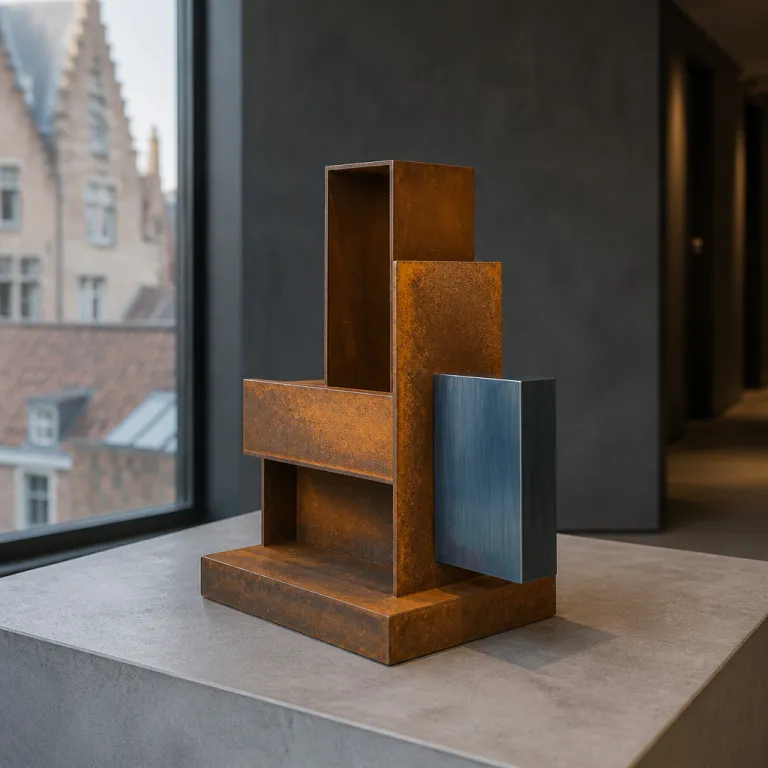
Why bruges contemporary art belongs on your luxury hotel shortlist
Bruges is no longer only a heritage city of Flemish Primitives and lace. The city now stages contemporary art and bold architecture in ways that quietly transform a weekend stay into a curated cultural retreat. For a solo traveler booking a premium room, this shift means your hotel can become a front row seat to a living dialogue between historic streets and new art rather than just a postcard view.
Walk from Markt to the Dijver and you feel the contrast in real time. Medieval façades, UNESCO World Heritage canals and the width of cobbled lanes frame digital installations, temporary exhibitions and permanent sculptures that speak to a fluid, future‑facing city mindset. This is where Bruges uses contemporary art to explore how a heritage destination can stay open to change while still feeling intimate and walkable.
Luxury hotels have started to lean into this new identity. Some properties commission artists and architects to create lobby pieces that echo Bruges Triennial themes, while others partner with Musea Brugge for private access to highlights from the city collections. When you read hotel descriptions on a premium booking website, look for references to contemporary exhibitions, proximity to an art gallery cluster and concierge teams who can arrange an evening around BRUSK at your own pace.
For travelers who care about both comfort and culture, this matters. A canal view suite near the Bruges museum quarter lets you move between Old Masters and contemporary art without wasting time in transit. That freedom is especially valuable for solo explorers who want to follow their curiosity, linger where a display resonates and skip the queues where the experience feels more stress than pleasure.
BRUSK and the new gravity of Bruges’ gallery scene
BRUSK is the clearest signal that Bruges contemporary art has entered a new chapter. The new BRUSK art venue, part of the Musea Brugge ecosystem, anchors a district where digital works, large scale installations and thoughtful exhibitions sit in deliberate tension with Gothic stone. For luxury travelers, staying within a ten to fifteen minute walk of BRUSK turns an ordinary city break into an experience that art‑savvy visitors already treat as essential.
Inside, the generous width of the exhibition halls allows large digital projections and sculptural works to breathe. Curators use clear sightlines, layered sound and carefully controlled light so that each exhibition reads as a complete narrative rather than a sequence of disconnected rooms. As director Till-Holger Borchert has noted in interviews, the aim is to let “Bruges’ historic fabric and new art speak to each other without one silencing the other,” and you feel that balance in the way each show unfolds.
Hotel concierges who understand this shift now build BRUSK into tailored itineraries. On selected late‑opening evenings, BRUSK and several partner spaces stay open longer, creating a relaxed gallery night that suits solo travelers who prefer to move between exhibitions without a group. Booking a premium hotel near the museum quarter means you can walk to this open circuit in around ten minutes, pause for a glass of wine, then return to your room without negotiating late night transport across the city’s winding streets.
For deeper context on how BRUSK will shape the Bruges art landscape, read the dedicated guide to the new venue and Refik Anadol’s pioneering show at BRUSK Bruges new art gallery. As you compare luxury properties, treat proximity to BRUSK and other Musea Brugge locations as a top filter, alongside spa access or canal views. That simple choice will keep contemporary art, not just medieval charm, at the center of your stay.
Tracing the Bruges Triennial: liquid city themes from your hotel door
The Bruges Triennial has quietly redefined how visitors experience the city. Every edition turns the historic core into an open air gallery where contemporary art and architecture installations appear along canals, in hidden courtyards and beside the Dijver’s postcard perfect water. For a luxury guest, this means the route from your hotel to dinner can double as a curated contemporary art trail.
Past editions have explored ideas of the “liquid city,” asking how a heritage city adapts to global flows of people, data and climate pressures. Works under this fluid city theme often stretch across the width of canals or occupy unexpected voids, making Bruges itself feel like a temporary museum. When you stay in centrally located properties, you can step out and encounter Bruges Triennial pieces before the day trippers arrive, then return later to see how the light and crowds change each installation.
The organizers behind Bruges Triennial describe their mission clearly: "Hosts contemporary art and architecture events in Bruges." That focus on art‑and‑architecture collaboration means you will often see artists and architects working together on structures that feel part pavilion, part sculpture. If you enjoy planning, read the official information in advance, then ask your hotel to map a personalized route that links top installations with quiet cafés, or even with local events such as the historic fair profiled in this insider look at Bruges’ long running Meifoor festival.
Solo travelers are especially well placed to appreciate the Triennial’s reflections on memory, disruption and resilience. You can pause at a single work that speaks to urban anxiety or environmental change without worrying about a group schedule. Choose a hotel that offers late checkout or flexible breakfast times, so you can walk the Bruges Triennial route at dawn or dusk when the exhibitions feel almost private.
From concert hall to creative hubs: where contemporary Bruges lives
Beyond the formal Musea Brugge network, several contemporary spaces give Bruges its present tense. Concertgebouw Brugge, the city’s modern concert hall, rises as a brick and glass counterpoint to the stepped gables around it. From a luxury hotel balcony nearby, you can see how this piece of contemporary architecture challenges the skyline yet still respects the UNESCO‑protected silhouette.
Inside Concertgebouw, the programming often pairs music with visual art, creating informal exhibitions in foyers and circulation spaces. These displays may be modest in width compared with BRUSK, but they extend the sense that contemporary art is woven into daily city life rather than hidden behind museum doors. When you book, check whether your preferred hotel offers packages that include premium tickets or insider information for performances here.
Het Entrepot, a creative hub in a former warehouse, and the Handmade in Brugge initiative add another layer to the city’s evolving identity. Here, artists, designers and craftspeople share studios, host open workshops and stage small scale exhibitions that feel refreshingly free of crowds. A short taxi ride of around ten minutes from many top hotels, these spaces reward travelers who read beyond the standard guidebook and want to see how contemporary art and design feed into everyday Bruges.
For a balanced stay, alternate days focused on major exhibition venues with afternoons in these more informal galleries. Ask your concierge for up to date information on which art gallery spaces are open, which workshops are free to enter and where the best coffee sits between them. This mix of high profile and grassroots culture will make your Bruges contemporary art trail feel both polished and personal.
Design led hotels as your private gallery in Bruges
Choosing the right luxury hotel in Bruges can turn your room key into a curatorial tool. Many high end properties now integrate contemporary art into their interiors, commissioning site specific works that echo Bruges Triennial themes or referencing liquid city ideas in lighting and materials. When you browse a premium booking website, look for photo galleries that show real artworks rather than generic prints.
Some hotels collaborate directly with Musea Brugge or with independent galleries to rotate exhibitions in lobbies and corridors. This approach keeps the visual experience fresh for repeat guests and creates a subtle dialogue between the museum pieces you see by day and the works on display where you sleep. A few properties even host small exhibitions during Bruges Triennial seasons, allowing artists and architects to test ideas in more intimate spaces.
For solo travelers, these design led environments offer both inspiration and comfort. After a day exploring BRUSK, Concertgebouw and the wider Bruges art trail, you can return to a room where the art on the walls feels part of the same conversation. To refine your search, use this guide to unique amenities on luxury hotel booking websites and filter for properties that highlight art gallery partnerships, curated libraries where you can read about contemporary art and flexible check in times.
Pay attention to practical details as well. Central locations reduce the strain of navigating crowds and give you more free time for exhibitions, while generous room width and thoughtful lighting make it easier to lay out catalogues and sketchbooks. In a city where every street feels like a painting, your hotel should function as a calm, contemporary frame rather than just another historic backdrop.
Practical tips for a self guided contemporary art trail
Planning a Bruges contemporary art itinerary from your hotel is easier than it looks. Start by checking which exhibitions are open at BRUSK, Musea Brugge locations and independent galleries, then map them against your hotel’s position in the compact historic center. Many installations and smaller shows are free to enter, especially those linked to the Bruges Triennial or outdoor art and architecture projects.
Wear comfortable shoes, because the real pleasure lies in walking between venues. The distances are short in this small heritage city, but the density of exhibitions, canal views and side streets means you will stop often to read plaques, study a display or photograph how contemporary art interacts with Gothic stone. Solo travelers can stretch or compress this trail as they wish, spending an hour in one art gallery or moving quickly through several exhibitions before a late dinner.
Hotel concierges in top properties are increasingly fluent in this scene. Ask them for up to date information on current Bruges Triennial themes, on any temporary exhibition near the Dijver and on which artists and architects are currently featured in local galleries. If you are sensitive to crowds, request advice on quieter time slots, or on routes that avoid the busiest UNESCO‑listed pinch points while still keeping key works within easy walking distance.
Finally, treat your schedule as a flexible framework rather than a fixed tour. Some of the most memorable moments in Bruges contemporary art happen when a side street reveals an unexpected sculpture or when a small gallery invites you into a private view that feels almost like it has been curated around your own journey. Luxury travel here is less about ticking off top sights and more about giving yourself the time and space to let Bruges speak through its evolving art.
FAQ
Is the Bruges contemporary art trail suitable for children ?
Yes, many installations and exhibitions are family friendly and visually engaging. The organizers confirm that "many installations are family-friendly," especially those linked to the Bruges Triennial and outdoor projects. Luxury hotels can help parents select routes that balance shorter walking distances with interactive works and open spaces where children can move freely.
Are there guided tours of contemporary art in Bruges ?
Guided tours are offered during major events such as the Bruges Triennial and special exhibitions at BRUSK or Musea Brugge. These tours provide structured context on themes like the liquid city or urban resilience, which can deepen your understanding of the works. High end hotels often collaborate with licensed guides and can arrange private or small group tours tailored to your interests.
Do I need to pay to see most contemporary art in Bruges ?
Many outdoor installations and some smaller exhibitions are free to access, especially those integrated into public spaces. Major venues such as BRUSK and certain Musea Brugge locations usually charge an entrance fee, sometimes with combined tickets that cover several exhibitions. When planning your stay, ask your hotel for current pricing information and any available discounts or passes.
How much time should I plan for BRUSK and nearby exhibitions ?
A focused visit to BRUSK alone can easily take two to three hours, especially if you like to read wall texts and spend time with digital works. Adding nearby Musea Brugge sites or independent galleries turns this into a full day centered on contemporary art. Solo travelers may want to split the experience across two half days, using a nearby luxury hotel as a comfortable base between visits.
Can I combine Old Masters with contemporary art in one Bruges weekend ?
Yes, the compact layout of Bruges makes it simple to pair Flemish Primitives with contemporary art in a single stay. Many luxury hotels sit within walking distance of both historic museums and modern venues like BRUSK or Concertgebouw Brugge. With thoughtful planning, you can move from medieval panels in the morning to cutting edge installations by late afternoon without feeling rushed.