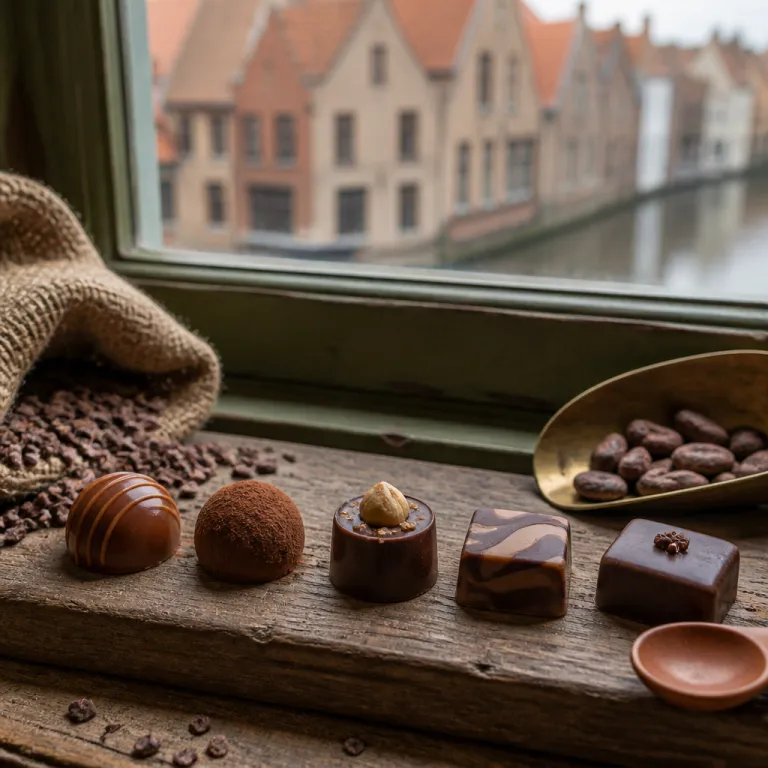
How to recognise the best chocolate in Bruges when you only have a weekend
Bruges looks made for chocolate, yet finding the best chocolate Bruges can offer is less obvious than it seems. Many displays in the busiest streets are industrial pralines in pretty boxes, which makes it harder to find the real artisans who treat chocolate as a craft rather than a souvenir. If you care about flavour, texture and cacao origin, you need a plan before you step into your first chocolate shop.
The city counts more than fifty chocolate shops within a compact historic centre, according to Visit Bruges and local tourism data, so you will see a chocolate shop on almost every corner near Market Square. Only a fraction of these boutiques actually produce their own Belgian chocolate on site, and those are the places where the best chocolate Bruges hides in plain sight. To find the most rewarding options, look for a working atelier behind the counter, a chocolatier in a stained apron and chocolates that change with the seasons rather than endless pyramids of the same filled pralines.
Start your walking tour away from the noisiest edges of Market Square and the main routes between Brussels and Bruges day trip buses. In quieter streets you will find Bruges chocolate artisans who talk about cacao origins, roasting curves and the difference between ganache and cream-filled centres, not just about which box size you want. This approach makes Bruges easy to navigate for a solo explorer who wants to enjoy a refined chocolate tasting before heading back to a luxury suite overlooking a canal.
Artisan versus souvenir: what really matters for serious chocolate lovers
When you step into a chocolate shop in Bruges, ask yourself one question first. Is this a working atelier run by a chocolatier, or simply a store reselling branded Belgian chocolates in charming packaging? The answer determines whether you are paying for marketing or for meticulous chocolate making that justifies a higher price per gram.
Artisan shops Bruges-wide usually smell of roasted cacao rather than air freshener, and you often see trays of freshly dipped chocolates cooling behind glass. Retail-focused shops near Market Square and Burg Square tend to stock the same Belgian chocolate brands you can buy in any train station between Brussels and Bruges, only here the boxes sit under medieval beams. True artisans will happily share how they temper chocolate, why some Bruges chocolates are single-origin bars and others are blends, and which filled pralines should be eaten the same day.
Expect to pay roughly €60–€90 per kilogram for the best chocolate compared with €20–€30 for mass-produced pralines, especially for limited-edition flavours or high cacao percentage chocolate bars. That price reflects small-batch production, careful sourcing and the time spent on each Bruges chocolate creation, from hand-painted shells to passion fruit ganache domes. If you are pairing a luxury hotel stay with a focused tasting, this is where your budget should go, not on bulk bags from the nearest shop Bruges has placed beside a canal boat ticket stand.
Five chocolatiers worth crossing Market Square for
Among the many chocolate shops in Bruges, five names consistently justify a detour and a queue. These are the places where the best chocolate Bruges reputation is actually earned, not just advertised on a chalkboard outside. Each offers a distinct style, which makes them ideal stops on a self-guided walking tour between your hotel and the quieter canals.
Pralinette, close to Wollestraat 31 near the centre, focuses on bean-to-bar Belgian chocolate, with pralines that highlight cacao origin before any added flavours. You will find the best examples of classic Belgian chocolates here, from cleanly snapped chocolate bars to carefully filled pralines that balance sweetness and acidity. Staff often mention how the rise in bean-to-bar chocolate production and increased demand for artisanal chocolates have changed what visitors expect from a Bruges chocolate experience.
The Chocolate Line on Simon Stevinplein 19, just off Market Square, is where edible art meets serious technique. Dominique Persoone and his team push flavours into unexpected territory, from passion fruit and yuzu to more daring combinations, yet the chocolate making remains precise and controlled. This is a good stop before or after a refined beer-focused stroll such as the Bruges beer walk that skips the obvious tour bars, because both experiences reward curiosity and a tolerance for strong flavours.
Classic comfort and chalet charm: Sukerbuyc, Dumon and The Old Chocolate House
Sukerbuyc on Katelijnestraat 5–7 feels like stepping into a family living room that happens to be lined with chocolates. Their signature layered chocolate “ball bricks” and bonbons lean into nostalgic Belgian flavours, which makes them ideal to share back at your hotel with a glass of red wine. Prices sit between tourist shop and avant-garde atelier, so you can enjoy generous boxes without sacrificing quality.
Chocolatier Dumon, especially the chalet-style shop on Simon Stevinplein 11, is perhaps the most photographed chocolate shop Bruges offers. Behind the postcard façade, you will find a wide range of filled pralines, truffles and chocolate bars that appeal to both first-time visitors and seasoned Bruges chocolate hunters. Arrive early in the day to avoid the crowds and to find the best selection before popular flavours sell out.
The Old Chocolate House on Mariastraat 1 combines a ground-floor store with an upstairs tearoom dedicated to hot chocolate. Here you can enjoy a theatrical hot chocolate service, with bowls of chocolate chips you melt into steaming milk, creating your own ideal balance of sweetness and strength. It is a cosy pause between museum visits and canal walks, and a reminder that the best chocolate Bruges offers is not only for carrying home but also for lingering over in the moment.
How to taste like a chocolatier, not a day tripper
Once you have chosen your chocolates, slow down and taste them properly. Serious chocolatiers in Bruges will tell you that evaluating Belgian chocolate starts long before you bite into a filled praline. The process is closer to wine tasting than to snacking between shops.
Begin with the appearance and the sound, checking that chocolate bars and pralines have a clean shine and a sharp snap when broken. Then move to aroma, warming a piece between your fingers before smelling, because the best chocolate Bruges produces often reveals notes of fruit, nuts or spices even before it touches your tongue. When you finally taste, let the chocolate melt slowly, noticing how flavours evolve from initial sweetness to deeper roasted or fruity tones, especially in Bruges chocolates that use single-origin cacao.
Alternate between plain chocolate and filled pieces, so your palate can reset and you can enjoy both textures. A passion fruit ganache from The Chocolate Line will hit very differently from a classic hazelnut praline at Dumon, and tasting them side by side highlights the range Bruges chocolate can offer. Solo travellers who enjoy thoughtful food experiences might pair this with counter dining in the evening, using a guide such as where to eat well alone in Bruges to keep the focus on quality rather than company.
Drinking chocolate and pairings in a luxury travel context
Do not overlook drinking chocolate when you map out your Bruges chocolate itinerary. A well-made cup of hot chocolate in Bruges, especially in places like The Old Chocolate House, can be as complex as a glass of aged port. For a winter stay in a canal-side suite, this becomes part of the ritual, alongside room service and a view of the belfry.
Some hotels and specialist shops Bruges hosts now offer guided tastings that pair Belgian chocolates with local beers or fortified wines. These sessions often explain how to find the best combinations, such as dark chocolate bars with roasted notes alongside a Trappist ale, or citrus-forward pralines with a dry sherry. For luxury travellers, booking a private tasting through a concierge turns a simple visit to a chocolate shop into a curated culinary journey.
Workshops in chocolate making are also increasingly popular, especially for a small group of friends or a family travelling together. You temper chocolate, pipe filled pralines and leave with your own box, which feels more personal than another souvenir from a crowded store. As Visit Bruges notes in its culinary highlights, several chocolatiers now run scheduled workshops, so booking in advance is recommended.
Planning a chocolate focused stay: routes, timings and hotel choices
To weave chocolate into a luxury stay, think in routes rather than isolated shops. A morning loop might start near Market Square, cross Simon Stevinplein for Dumon and The Chocolate Line, then drift towards Wollestraat and Katelijnestraat for Pralinette and Sukerbuyc. This walking tour keeps distances under a few kilometres, which makes Bruges easy to navigate even if you are carrying several boxes.
Spring and autumn bring fewer crowds, which means shorter queues at the best chocolate Bruges addresses and more time to talk with each chocolatier. Local tourism data shows that Bruges welcomes millions of visitors annually, so visiting shops during weekdays to avoid crowds is a practical strategy, especially if you want to enjoy calm tastings rather than rushed purchases. Early mornings and late afternoons are usually quieter, while midday sees more tour groups moving between Choco-Story, Market Square and the main canal boat piers.
Choose a hotel within the historic centre so you can drop purchases in your room between tastings and meals. If you are combining meetings with leisure, pairing a central property with a wellness-focused break such as a spa weekend after a Bruges business trip works well, especially when you add a private chocolate tasting to your itinerary. For families, apartments or suites with a small table make it easier to share chocolates in the evening, turning your room into a quiet tasting room above the cobbled streets.
From Brussels to Bruges: logistics for chocolate hunters
Many visitors arrive on a direct train between Brussels and Bruges, then walk from the station to the historic centre in about fifteen minutes. This route passes several chocolate shops, but resist the urge to buy at the first store you see. Your goal is to reach the core cluster around Market Square and Simon Stevinplein, where the density of high-quality options increases sharply.
If you plan to bring back Belgian chocolates as gifts, pack a small insulated bag in your luggage. Even in cooler months, hotel heating and crowded trains between Brussels and Bruges can soften delicate filled pralines and chocolate bars, especially those with higher cocoa butter content. Ask each chocolate shop for storage advice, since some creations with fresh cream or fruit purées have a shorter shelf life than classic pralines.
For a deeper dive into the history of Bruges chocolate, a visit to Choco-Story can frame everything you taste in the shops. The museum explains how Belgium became synonymous with fine chocolate and why cities like Bruges and Brussels developed different specialities over time. After that context, walking past yet another store window becomes less about impulse buying and more about spotting which chocolatier is actually pushing the craft forward.
Beyond pralines: experiences that justify a luxury chocolate pilgrimage
Once you have sampled the headline pralines, look for experiences that turn a simple tasting into a reason to book a premium hotel. Some chocolatiers in Bruges now collaborate with high-end properties to offer in-room amenities, from curated boxes of best chocolate Bruges selections to bespoke hot chocolate services on winter evenings. These touches align with a broader trend where hotels compete not only on thread count but also on culinary partnerships.
Guided chocolate tours, whether private or in small groups, can be a smart way to structure a short stay. A well-designed tour will focus on a handful of serious chocolate shops, explain how to find the best artisans among the many shops Bruges offers and leave time for questions about sourcing, sustainability and technique. For solo travellers, this can double as a social experience before retreating to the calm of a canal-view room.
Families often enjoy hands-on chocolate making workshops, where children can pipe their own filled pralines while adults taste more complex flavours. These sessions usually take place in working ateliers rather than generic event spaces, which means you are learning from people who temper chocolate every day. Combined with a relaxed afternoon in a hotel spa or a quiet lounge, they turn a weekend in Bruges into a layered culinary journey rather than a simple box-ticking exercise.
Why paying more for real chocolate is worth it
Artisan chocolate costs more because every step, from sourcing beans to hand-finishing each praline, takes time and skill. When you buy from a serious chocolatier in Bruges, you are paying for carefully selected cacao, precise tempering and recipes that highlight ingredients like passion fruit purée or single-origin nuts rather than masking them with sugar. The result is a smaller piece of chocolate that delivers more flavour, texture and satisfaction than a handful of generic sweets.
For luxury travellers, this aligns naturally with the way you already think about hotels, restaurants and experiences. You would rather enjoy one excellent tasting menu than three forgettable dinners, and the same logic applies to Bruges chocolates wide. A curated box from Pralinette, The Chocolate Line, Sukerbuyc, Dumon or The Old Chocolate House becomes part of the story of your trip, not just another item in your suitcase.
As interest in artisanal chocolates and chocolate workshops continues to grow, Bruges is likely to see even more emphasis on quality over quantity. That is good news for travellers who value authenticity and are willing to walk a few extra minutes beyond Market Square to reach the best chocolate Bruges can offer. With a little planning, your next stay in this canal-laced city can be as much about nuanced cacao as about cobblestones and carillons.
FAQ
What is the best time to visit Bruges for chocolate shopping ?
Spring and autumn offer pleasant weather and fewer tourists, which makes it easier to enjoy calm visits to chocolate shops. Weekdays are generally quieter than weekends, especially in the late morning and late afternoon. These periods give you more time to talk with each chocolatier and to taste before you buy.
Are there chocolate workshops available in Bruges ?
Several chocolatiers in Bruges offer hands-on chocolate making workshops where you can create your own pralines. Sessions range from short introductions to more in-depth classes that cover tempering and moulding techniques. Booking in advance is recommended, especially during school holidays and peak travel periods.
Is Belgian chocolate in Bruges expensive ?
Prices vary widely between tourist-oriented stores and artisan ateliers in Bruges. Mass-produced pralines in central locations can be relatively affordable, while handmade chocolates from top chocolatiers may cost three to four times more per kilogram. The higher price usually reflects better ingredients, small-batch production and more complex flavours.
How can I tell if a chocolate shop in Bruges is truly artisanal ?
Look for signs of on-site production, such as visible equipment, trays of freshly made chocolates and staff who can explain their recipes. Artisanal shops often offer seasonal collections, limited-edition flavours and information about cacao origins. If a store mainly sells branded boxes you recognise from elsewhere in Belgium, it is likely a retailer rather than a producer.
Can I bring chocolates from Bruges back home without them melting ?
Yes, but you should plan for temperature changes during your journey. Ask the chocolate shop for storage advice and choose firmer pralines or chocolate bars if you expect warm conditions. Using an insulated bag and keeping chocolates out of direct sunlight will help them arrive in good condition.