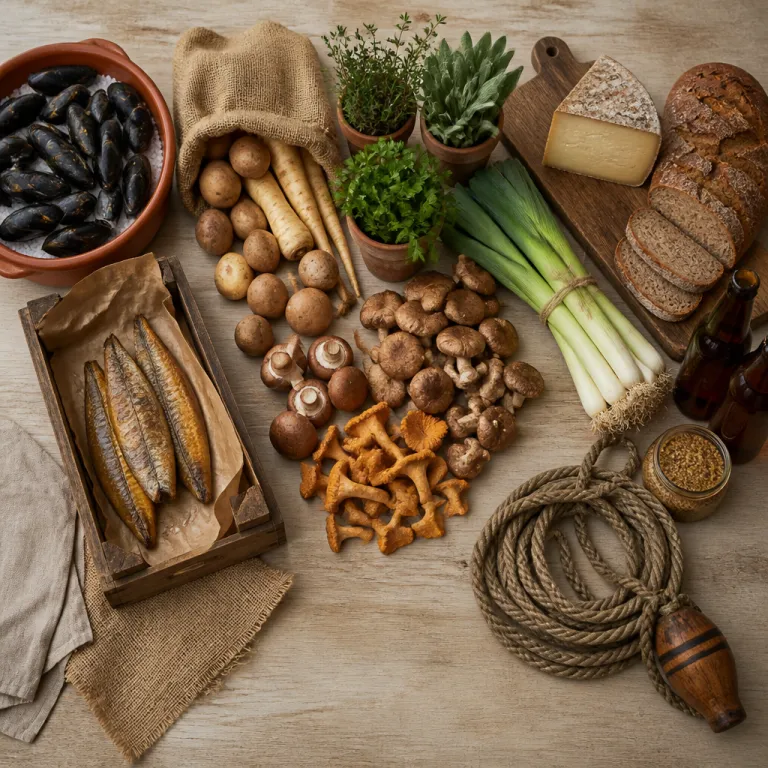
Where to eat in Bruges if you care about sourcing
Choosing where to eat in Bruges starts with one question. Are you here for postcard plates or for a quiet education in how a small Flemish city works with the North Sea and surrounding farms to shape its food culture ? In Brugge Belgium, the most rewarding places treat every ingredient as a story, not a garnish.
For couples booking a luxury room, the smartest thing is to align your hotel location with the restaurants you most want to try, because the best dining rooms are scattered between the historic centre, the canal belt and the quieter residential quarters. When you ask where to eat Bruges for a serious dinner, names like De Jonkman, Bruut, Rock Fort, Brasserie Raymond and Franco Belge come up quickly, yet each restaurant interprets Belgium traditional produce in a different way. Think of this guide as your calm filter through the noise of crowded terraces and tourist menus, pointing you toward restaurants where the sourcing is as carefully curated as the wine list.
In this city, deciding where to eat Bruges is also deciding how close you want to be to the North Sea, at least philosophically. Some places lean into seafood and Bruges beer pairings, others into slow braises and ribs with beer glazes, but almost all of the good restaurants now work directly with local farmers and fish auctions. That shift is not marketing ; it is a structural change, with around 85 percent of Bruges restaurants sourcing locally from roughly 50 farms in West Flanders, which means your lunch or dinner genuinely reflects the landscape around the city.
The North Sea on your plate: De Jonkman, Bruut and Rock Fort
Ask any serious chef in Brugge where to eat Bruges for seafood, and the conversation turns quickly to the North Sea. De Jonkman, just outside the centre, is the clearest expression of that connection, with chef Filip Claeys building his dining room experience around whatever the boats bring in that morning. His team treats the daily fish supply as the starting point for the menu, not an afterthought, so the same table might see delicate langoustines one night and robust North Sea sole the next.
Bruut, closer to the canals, takes a more intimate approach, offering a small number of seats in a room that feels closer to a private home than a formal restaurant. Here, the journey is inspired by local ingredients and Belgian culinary traditions, and the menu changes regularly based on the season and the freshest available produce, which makes it one of the best answers to the question of where to eat Bruges when you want to taste the city in a single evening. Rock Fort, by contrast, feels more urban, with a creative international menu that still leans heavily on seafood and shellfish, ideal for couples who like their dining to feel energetic rather than hushed.
For hotel guests planning a light lunch before a long afternoon of museums, these three restaurants are better suited to a lingering lunch dinner experience than a quick bite, so book your table well ahead, especially on Thursday Friday or Friday Saturday nights. Many luxury properties will secure reservations in these restaurants for their guests, and some even design packages that pair a suite with a guaranteed dining room booking, which is where a specialist resource like this curated hotel to table dining guide for Bruges luxury addresses becomes genuinely useful. When you align your room choice with the restaurants that speak to you, the city shrinks to a walkable, deeply satisfying circuit between bed, table and canal.
From farm to canal: how Bruges chefs source on land
Seafood gets the headlines, but the more quietly transformative story in Bruges is happening in the fields around the city. Chefs now visit local markets daily, build seasonal menus around what is grown within a short drive, and treat vegetables with the same respect once reserved only for fish and meat. When asked why Bruges chefs prefer local ingredients, one official answer is simple and telling : “To ensure freshness and support local economy.”
That philosophy plays out in very concrete ways across the city, where around 50 farms supply everything from heritage potatoes to brassicas and soft fruit, and where Handmade in Brugge artisans provide cheeses, breads and charcuterie that end up on fine dining plates. Restaurants like Bruut and Franco Belge use these networks to reinterpret Belgium traditional dishes, turning stoemp, chicory and farmhouse butter into something light enough for a modern palate yet still rooted in place. For couples wondering where to eat Bruges when they want to feel that farm connection, lunch dinner in these rooms offers a clear, seasonal snapshot of the region.
Beer culture is woven into this sourcing story as well, because many chefs now cook with local Bruges beer and pair courses with specific brews that echo the ingredients on the plate. If you are curious about how this city earned its reputation for serious brewing, a deeper background piece on how Bruges beer culture achieved UNESCO recognition will frame your tastings before you even sit down. Then, when a chef sends out ribs glazed with beer or a sauce built on reduced ale, you understand that the glass and the plate are telling the same regional story.
Classic addresses: Brasserie Raymond, Assiette Blanche and Franco Belge
Not every memorable meal in Brugge needs to be a multi course tasting in a hushed dining room. Some of the best answers to where to eat Bruges for a more relaxed yet still polished experience sit just off the main squares, hiding in plain sight among the tourist traps. Brasserie Raymond is one of those places, a brasserie where locals still book tables for Friday Saturday dinners and where the menu reads like a love letter to Belgium traditional comfort food.
Here, you might order ribs with beer sauce, a precise steak frites or a plate of North Sea shrimp croquettes, all backed by a wine list that respects both Burgundy and Belgian producers. Assiette Blanche, a Bib Gourmand address, offers a slightly more refined setting while keeping prices and atmosphere approachable, which makes it ideal for couples who want good food without the full Michelin choreography. Franco Belge, as the name suggests, plays with Franco Belgian traditions, layering French technique over Flemish ingredients in a way that feels both familiar and quietly modern.
These restaurants are also where you feel the weekly rhythm of the city, because reservations for Thursday Friday and Saturday Sunday services tend to fill quickly with locals celebrating small milestones. If you are staying in a central hotel room, you can often walk to these places in under ten minutes, which turns an unplanned light lunch into an easy prelude to an afternoon canal stroll. When you are mapping out where to eat Bruges across a three night stay, anchoring one evening in a brasserie like Raymond and another in a Bib Gourmand such as Assiette Blanche gives your trip a satisfying culinary structure.
Neighbourhood flavour: Ezelstraat, coffee bars and casual stops
Once you have ticked off the headline restaurants, the real pleasure lies in wandering the smaller streets and letting your appetite steer you. Ezelstraat Brugge is a perfect example, a slightly quieter artery where independent shops, cafés and small restaurants still feel shaped by locals rather than day trippers. Couples staying in nearby luxury hotels often treat this street as their informal canteen, dropping in for coffee, a light lunch or a late glass of beer after dinner elsewhere.
In this part of the city, the question of where to eat Bruges becomes less about reservations and more about mood, because you can move from a cosy coffee bar to a simple restaurant serving ribs with beer glaze without ever crossing a major canal. Many of these casual places still work with the same local producers as the fine dining rooms, which means your sandwich, salad or plate of the day carries the same seasonal logic as a tasting menu. It is also where you will find some of the best ice cream in the city, often made with milk from farms that also supply the top restaurants.
For couples who like to walk, a gentle loop from the historic centre through Ezelstraat Brugge and back along the canals turns into an informal food tour, with coffee, snacks and maybe a shared plate of ribs beer style along the way. If you are splitting your time between Bruges and Ghent, this kind of neighbourhood wandering gives you a useful comparison point, because the food scenes in Bruges Ghent share a respect for local sourcing but express it differently. In both cities, though, the most rewarding places are rarely the ones with the loudest signage ; they are the rooms where the chef can tell you exactly which farm grew the vegetables on your plate.
Beer, ribs and the art of pairing in Bruges
Beer is not an accessory in Bruges ; it is a structural part of the dining culture. When you sit down in a good restaurant and open the drinks list, you will often find a beer section as carefully curated as the wine list, sometimes by a co owner who treats hops with the same seriousness as a sommelier treats grapes. Marijke, for example, is known in local circles for curating Belgian beer selections that match the wood fired cooking of master chef Koen, whose grilling style shows how beer, smoke and meat can speak the same language.
In many restaurants, ribs and beer have become a small art form, with chefs marinating or glazing ribs in local brews and then serving them alongside the same Bruges beer in the glass, creating a neat loop between plate and drink. This is where to eat Bruges if you want something less formal than a tasting menu but more thoughtful than a generic grill house, because the sourcing of both meat and malt is taken seriously. Some dining rooms even offer set menus built around specific breweries, turning your table into a quiet seminar on Belgian brewing without a single lecture.
For couples who usually default to wine, this is a gentle place to experiment, since staff in the best restaurants are happy to suggest one beer pairing and one wine pairing for the same dish. That way, you can share and compare, deciding whether the ribs beer combination or the classic red wine works better for you. Over a three night stay, alternating between wine led dinners and beer focused evenings gives your itinerary a pleasing rhythm, and it also deepens your understanding of how this city uses its brewing heritage as a living ingredient rather than a museum piece.
From Bruges to Ghent: extending the culinary journey
Many luxury travellers pair Bruges with Ghent, treating the two cities as a single, slow moving itinerary. The train ride between Bruges Ghent is short, which makes it easy to spend your nights in a calm Bruges hotel room while using the day to explore another city’s food scene. When you ask where to eat Bruges versus where to eat in Ghent, the answers differ in mood but share a common respect for local sourcing and seasonal menus.
In Brugge Belgium, the dining rooms tend to feel more intimate, with chefs leaning into the romance of canals and historic buildings, while Ghent’s restaurants often feel a touch more urban and experimental. Both cities, though, are part of the same West Flanders ecosystem of farms, markets and North Sea suppliers, so the same fisherman might be sending his catch to a fine dining room in Bruges and a bistro in Ghent on the same day. That shared supply chain means you can taste how different chefs interpret identical ingredients, turning a simple thing like North Sea shrimp into two very different experiences.
If your trip coincides with local events, consider timing a long weekend around the Meifoor fair, which has been part of Bruges life for centuries and still shapes how locals eat, drink and gather. A detailed feature on the city’s 800 year old Meifoor festival and its food traditions will help you understand why certain street foods and seasonal treats appear when they do. Then, when you return to your chosen restaurant in the evening, the flavours on your plate feel less abstract and more like a continuation of what you have seen in the streets and markets all day.
Key figures behind Bruges’ ingredient led dining
- Around 85 percent of restaurants in Bruges source a significant share of their ingredients from local producers, according to Visit Bruges, which means most serious dining rooms now operate with a farm to table mindset rather than relying on distant suppliers.
- Roughly 50 farms in the wider West Flanders region supply Bruges restaurants with vegetables, dairy and meat, creating a dense network that allows chefs to adjust menus quickly as seasons change.
- The city counts around 35 award winning restaurants across Michelin, Gault&Millau and Bib Gourmand distinctions, a high concentration for a relatively small city and a clear indicator of how seriously Bruges takes food.
- Daily market visits and year round seasonal ingredient selection are now standard practice for leading chefs, which shortens the time between harvest and plate and directly improves flavour and texture.
- Local sourcing in Bruges is explicitly tied to sustainability goals, with chefs aiming to reduce transport related emissions while supporting the regional economy, so every carefully sourced plate carries both culinary and environmental weight.
FAQ about ingredient sourcing and dining in Bruges
Why do Bruges chefs focus so much on local ingredients ?
Chefs in Bruges prioritise local ingredients because they want maximum freshness, a clear sense of place on the plate and a direct way to support the regional economy. Shorter supply chains also reduce the environmental impact of each dish, aligning fine dining with broader sustainability goals. For guests, that means meals that taste vivid and specific to this corner of Belgium rather than generic.
How do top restaurants in Bruges source their seafood ?
Leading restaurants such as De Jonkman, Bruut and Rock Fort work closely with North Sea fish auctions and trusted intermediaries, often receiving deliveries based on what was landed that same morning. Menus are then adjusted to reflect the best of that catch, so the exact fish or shellfish on offer can change from day to day. This approach keeps seafood dishes both seasonal and responsive to the realities of the sea.
What role do local farms play in Bruges dining ?
Local farms around Bruges supply vegetables, fruit, dairy and meat to a wide range of restaurants, from Michelin starred dining rooms to casual brasseries. With around 50 farms involved, chefs can build menus that track the seasons closely, from spring asparagus to autumn game. This farm network also underpins the Handmade in Brugge initiative, which champions artisans and producers who keep traditional skills alive.
Can I experience farm to table dining without booking a Michelin restaurant ?
Yes, many mid range restaurants, brasseries and even cafés in Bruges now work with the same local producers as the top tier dining rooms. Places like Brasserie Raymond, Assiette Blanche and Franco Belge offer ingredient led cooking in more relaxed settings, often at lower price points. Markets and speciality food shops also give you a direct way to taste local cheeses, breads and charcuterie without a formal sit down meal.
How far in advance should I book restaurants in Bruges ?
For Michelin starred or highly acclaimed restaurants, booking several weeks ahead is wise, especially for Thursday Friday, Friday Saturday and Saturday Sunday evenings. More casual places may accept same day reservations or walk ins, but popular brasseries can still fill quickly on busy weekends. If you are staying in a luxury hotel, the concierge can often secure tables and help you build a dining itinerary that matches your room location and sightseeing plans.