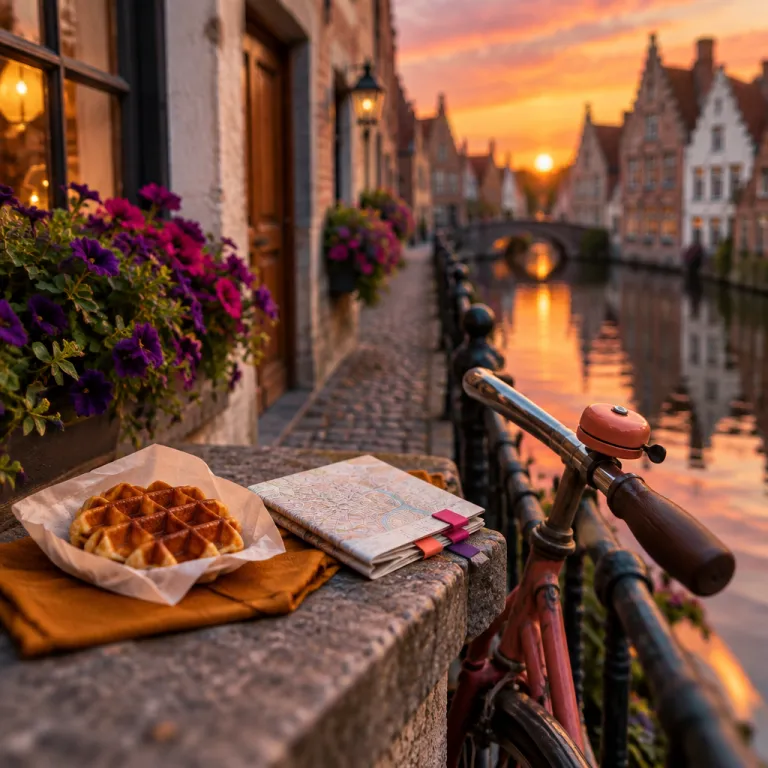
Why bruges off beaten path neighborhoods suit luxury travelers
Bruges is a compact city, but its quieter quarters feel surprisingly spacious. When you base your Bruges trip in these less obvious districts, you trade the Markt queues for tree lined canals and residential streets where people still greet their neighbours. For a solo explorer planning a refined day trip or staying overnight in style, bruges off beaten path neighborhoods offer the best balance between atmosphere and calm.
The historic centre remains close, yet you can walk five minutes and leave most crowds behind. That makes it easier to enjoy the best things Bruges offers, from a slow canal cruise to a serious Belgian beer tasting, without feeling trapped in a theme park. Choosing a luxury hotel in these areas also means more time in characterful cafés and along the city ramparts, and less time dodging tour groups around Burg Square or the Markt.
Think of Bruges city as a series of small villages stitched together by water and cobbles. Each quarter has its own rhythm, its own Bruges café culture, and its own way of answering the question “is Bruges worth more than a single day trip ?”. In the following three itineraries, you will read how to structure your days in Brugge so that every walk, every chocolate stop and every canal view feels intentional rather than accidental.
Eastern Bruges: Sint-Anna, windmills and Adornes heritage
Start this day in the Sint-Anna quarter, just beyond the classic tourist grid of Bruges city centre. From a luxury base near the historic centre, walk east towards the city ramparts until the canal widens and the first windmill appears on the grass of Kruisvest park. This is where Bruges off beaten path neighborhoods begin to show their quiet side, and where a solo traveler can enjoy fun things without the soundtrack of constant tours.
Follow the ramparts north, then loop back through narrow streets towards the Adornes estate, a cultural landmark that many Bruges recommend as a highlight for repeat visitors. The exhibition “Anselm Adornes: Knight, Merchant, Diplomat and Pilgrim” runs here, and it reframes the city as a medieval hub of trade rather than a frozen museum. Take your time to read the displays, then step into the chapel garden and notice how close you are to the centre, yet how far you feel from the usual things Bruges day trippers see.
For lunch, choose a Bruges café in Sint-Anna where locals linger over Belgian beer and a light plate instead of rushing through a tour menu. In the afternoon, walk back along the canal towards the city, but resist the pull of Burg Square and the Markt, and instead explore side streets where unusual things catch your eye, from tiny workshops to hidden courtyards. If you want more context on art beyond the postcard views, plan another day Bruges circuit that includes the major exhibition spaces highlighted in this guide to the bigger picture of Bruges museums.
Sint-Gillis and the station quarter: residential rhythms and quiet cafés
The second itinerary focuses on Sint-Gillis and the station quarter, two areas that show Bruges city as a place where people actually live. Begin your day Bruges walk at the northern edge of the historic centre, then cross into Sint-Gillis where the streets narrow and the façades feel more domestic than monumental. Here, Bruges off beaten path neighborhoods reveal the city behind the postcards, and you can visit small squares without feeling part of a moving crowd.
Spend the morning exploring residential lanes, stopping at a Bruges café where the menu is written for locals rather than for a passing tour. Order a strong Belgian beer or a careful coffee, and pair it with a small plate or a slice of cake instead of the usual chocolate souvenir. This is also a good time to read your guidebook, plan the next things Bruges will offer you, and decide whether your Bruges trip will stretch to several days Bruges or remain a single night.
After lunch, walk south towards the station quarter, skirting the canal and occasionally dipping back into the city centre without committing to its busiest streets. The station area is not where most visitors stay, yet it is practical for a day trip and offers quick access to Minnewater park and the outer canals. If you are staying overnight in a premium hotel nearby, you can use this base to enjoy a late evening canal cruise or a quiet stroll along the water, guided by this insider look at waterside spots the tour boats pass but rarely stop beside.
Western and southern Bruges: Minnewater, ’t Zand and the outer canals
The third route explores western and southern Bruges, where Minnewater park and the ’t Zand neighborhood frame a softer, more spacious side of the city. Start your day at Minnewater, often called the Lake of Love, and walk slowly along the canal as the light shifts across the water. Luxury hotels cluster near this park, and staying overnight here lets you enjoy the best things about Bruges off beaten path neighborhoods before most visitors arrive.
From Minnewater, continue north west towards ’t Zand, a square that feels more like a local meeting point than a stage set. This area is ideal when you want to visit Bruges without spending all your time in the Markt or Burg Square, and it offers plenty of cafés where Belgian beer and simple plates replace fixed price tour menus. For a deeper sense of the park’s role in the city, and to help decide whether Bruges is worth more than a quick day trip, study this detailed guide to Minnewater park beside luxury hotels before you go.
Later, walk out towards the outer canal and follow the water as it curves around the city ramparts, watching how the architecture shifts from grand houses to quieter residential blocks. This is where Bruges best sunsets often unfold, and where unusual things catch your eye, like small gardens pressed against medieval walls. End your day Bruges circuit with a refined dinner back near Minnewater, confident that your Bruges city experience has stretched beyond the obvious things Bruges usually serves to first timers.
Choosing where to stay: luxury bases beyond the tourist core
For travelers using a premium hotel booking website, the question is not only what to visit, but where to sleep so that every walk feels like part of the story. In Brugge, the most rewarding addresses sit just beyond the densest crowds, close enough to the historic centre for a short walk yet far enough that you can hear the canal rather than the tour commentary. When you choose a property in Sint-Anna, Sint-Gillis or near Minnewater, you align your Bruges trip with the quieter logic of Bruges off beaten path neighborhoods.
Look for hotels that face a canal or a small square rather than a main shopping street, because the soundscape shapes your sense of the city as much as the view. A room overlooking water near the city ramparts lets you wake up to swans and joggers instead of delivery vans, and it turns a simple walk into one of the best things you do all day. If you are staying overnight for several days Bruges, prioritise properties that offer generous breakfasts and late check out, so you can time your visits to museums and cafés around the ebb and flow of the crowds.
Solo travelers often ask whether Bruges is worth a longer stay when they have already seen the Belfry and the Markt. The answer depends on how you use your time, and whether you are willing to read the city beyond its headline sights and explore unusual things in residential quarters. Choose a hotel that supports that slower rhythm, and your Bruges city experience will feel less like a checklist of things Bruges is supposed to offer, and more like a lived in European weekend.
How to structure your days for maximum calm and character
Once you have chosen a base in one of these quieter quarters, the way you structure each day shapes how Bruges feels. Aim for one major cultural landmark or museum per day Bruges, then fill the rest of the time with simple pleasures like a canal side walk, a well poured Belgian beer or a carefully chosen chocolate tasting. This balance keeps your Bruges trip from becoming a race between sights, and it lets you experience Bruges off beaten path neighborhoods as real places rather than backdrops.
Morning is the best time to visit Bruges museums or churches, while the city centre is still relatively calm and the light is soft. After lunch, when the crowds peak around Burg Square and the Markt, retreat to the city ramparts or to a Bruges café in Sint-Gillis or Sint-Anna, where locals read newspapers and talk quietly. Late afternoon and early evening are ideal for a slow canal cruise or a self guided tour along the outer canal, when the water reflects the sky and the city finally exhales.
On your final day, leave some time unplanned so you can follow whatever catches your eye, whether that is a side street, a small gallery or a café terrace that feels right. These unscripted hours often become the best things you remember, and they confirm why Bruges is worth more than a rushed day trip from another city. When you travel this way, you stop asking whether Bruges best experiences sit in the centre or the edges, because the whole Bruges city begins to feel like your temporary neighbourhood.
FAQ
Is Bruges worth more than one night if I avoid the Markt ?
Yes, Bruges is worth at least two nights if you stay in quieter quarters like Sint-Anna, Sint-Gillis or near Minnewater park. These areas let you enjoy the historic centre in short, focused visits while spending most of your time in calmer streets and along the canals. A longer stay also gives you space to explore museums, cafés and canal walks without rushing.
Where should I stay for a calm but central Bruges trip ?
Look for luxury or premium hotels just outside the busiest part of the city centre, especially around Minnewater, Sint-Anna and Sint-Gillis. From these areas you can walk to the main sights in about ten minutes, yet you return to quieter streets at night. Canal facing rooms near the city ramparts are particularly peaceful.
Can I enjoy Bruges off beaten path neighborhoods on a day trip ?
You can sample these neighborhoods on a single day trip, but your time will be tight. Focus on one area, such as Sint-Anna and the windmills, and plan a clear walking route that avoids the busiest streets. Staying overnight gives you a better sense of local life and allows early morning or late evening walks when the city is calm.
Are there good places for Belgian beer away from the crowds ?
Yes, many residential quarters have small cafés and bars where Belgian beer is treated with care and the clientele is mostly local. Sint-Gillis and the streets west of Minnewater are especially good for this, with terraces that stay relaxed even when the centre is busy. Ask your hotel for current recommendations, as ownership and quality can change over time.
How much walking should I expect in these itineraries ?
Each itinerary involves several kilometres of walking on cobbled streets and along canals, typically three to six kilometres spread across the day. The city is flat, but the surfaces can be uneven, so comfortable shoes are essential. If you tire easily, use short café stops and canal side benches to break up the route.